

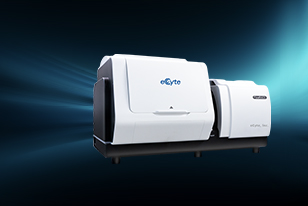


On October 30, the Algal iMAPS Scientific Symposium brought together researchers from more than ten countries for an evening of scientific exchange and discussions on advancing international collaboration in algal research.
The event featured two key sessions: a hands-on demonstration of eCyte's single-cell technology platforms, followed by a roundtable discussion on future research opportunities under the iMAPS International Program.
Exploring Single-Cell Technologies in Action
During the laboratory tour, participants explored three core platforms: RACS-Seq, FlowRACS, and DCP.
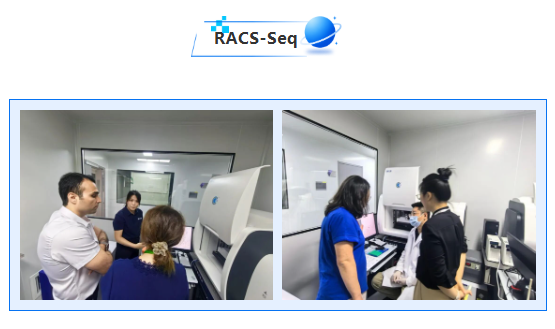
RACS-Seq: Integrates single-cell Raman analysis with optical tweezers-based cell sorting and downstream sequencing, enabling the linkage of cellular phenotypes with genomic information.
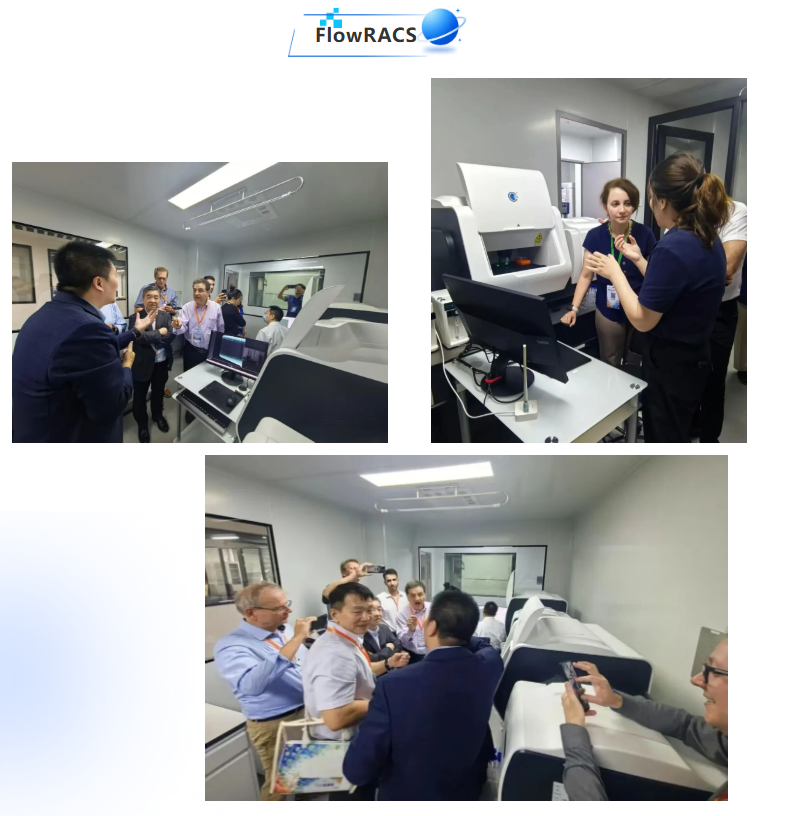
FlowRACS: Combines Raman spectroscopy with high-throughput cell sorting to rapidly identify and isolate target functional cells from complex populations.
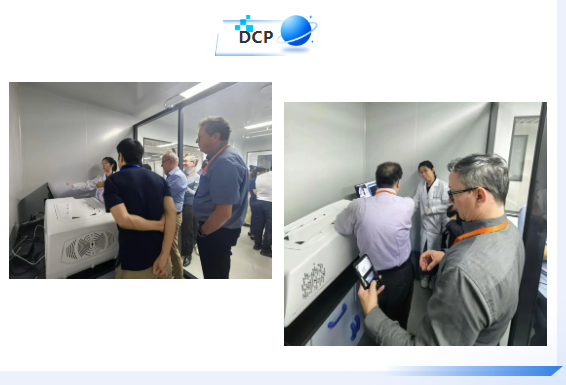
DCP: Enables high-throughput single-cell cultivation and clone isolation in thousands of miniaturized chambers, facilitating the screening and recovery of desired microbial strains.
The demonstrations showcased how these technologies integrate single-cell Raman analysis, functional cell sorting, and downstream genomic analysis to support the identification and investigation of functionally important cells.
Through live demonstrations and in-depth technical discussions, researchers exchanged perspectives on cell viability, sample preparation, screening throughput, and potential applications in algal research.
From Scientific Exchange to International Collaboration
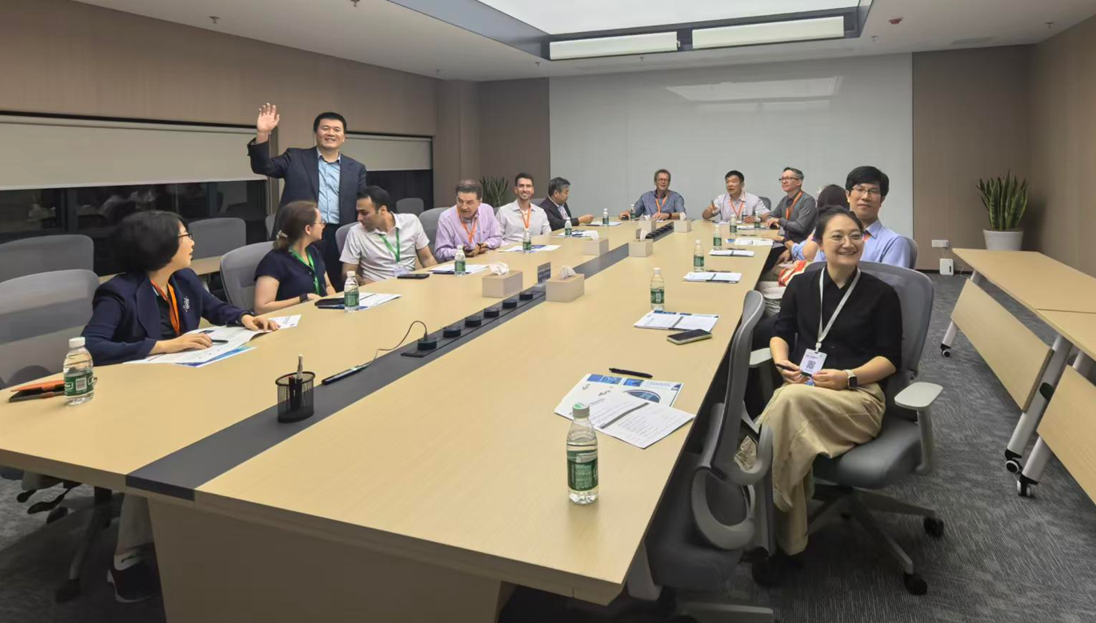
Chaired by Prof. Jian Xu from the Qingdao Institute of Bioenergy and Bioprocess Technology, Chinese Academy of Sciences, the roundtable focused on the iMAPS framework and potential pathways for international collaboration in microalgae and microbial research.
Participants discussed opportunities ranging from functional cell screening and the development of bioenergy-related strains to the exploration of high-value natural products. Data sharing, resource integration, and collaborative research were also key topics.
The discussions highlighted the potential of combining single-cell technologies with international scientific expertise to address complex challenges in algal research.
Building a Global Collaborative Network
The symposium marked another step forward in advancing the Algal iMAPS Initiative. The active engagement of researchers from universities and research institutions worldwide reflects growing interest in open scientific collaboration and shared technological resources.
Through iMAPS, eCyte looks forward to connecting global research communities, facilitating technology-enabled collaboration, and supporting new discoveries in algal science.