

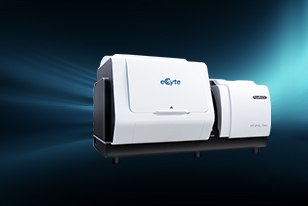


Every time you conduct gut microbiota research, do you find yourself facing these bottlenecks:
(1) You receive a sequencing report with hundreds of OTUs, but you are still left in the dark about which bacteria are present and what exact roles they play?
(2) When developing live biotherapeutic products, you find that over 80% of the gut bacteria are unculturable?
(3) You want to validate the stress tolerance of a promising strain, but traditional manual cultivation takes up to 96 hours just to yield a round of highly uncertain results?
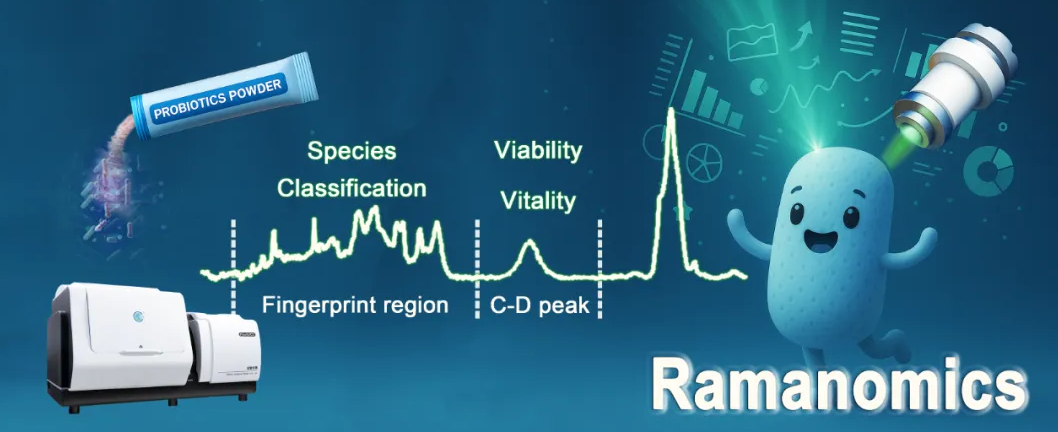
Ultimately, how can we clearly see what Each Living Cell is "Actively Doing" and successfully isolate truly valuable strains? This is precisely the challenge that eCyte’s Meta-Ramanomics platform addresses.
1. Visualize Target Strains: By pairing single-cell Raman spectroscopy with heavy water labeling, researchers can monitor the in situ, real-time metabolic activity of microbes without hurting them. It directly reveals which specific bacteria within a community are producing lactic acid, metabolizing cellulose, or executing other key functions—instantly identifying the true "functional strains."
2. Isolate Functional Strains with Precision: Powered by AI algorithms, eCyte's FlowRACS and RAMS systems automatically recognize target single cells and isolate them with pinpoint accuracy, turning functional strain isolation into a high-throughput, reproducible, and standardized workflow.
3. Single-Cell Cultivation: eCyte’s DCP supports single-cell cultivation. Integrated with phenotypic analysis and laser-induced monoclonal export, the platform stably amplifies and preserves functional strains that previously survived only by chance, truly bridging the gap from "isolated" to "usable."
4. Sorting and Sequencing Integration: For fastidious and unculturable bacteria, eCyte’s RAMS and RACS-Seq offer a single-tube, single-cell workflow. By precisely sorting a single target cell into an individual chamber, it connects directly to downstream single-cell sequencing, achieving an exact correlation between metabolic function and genomic data.
Key Application Spotlights in Gut Microbiome Research
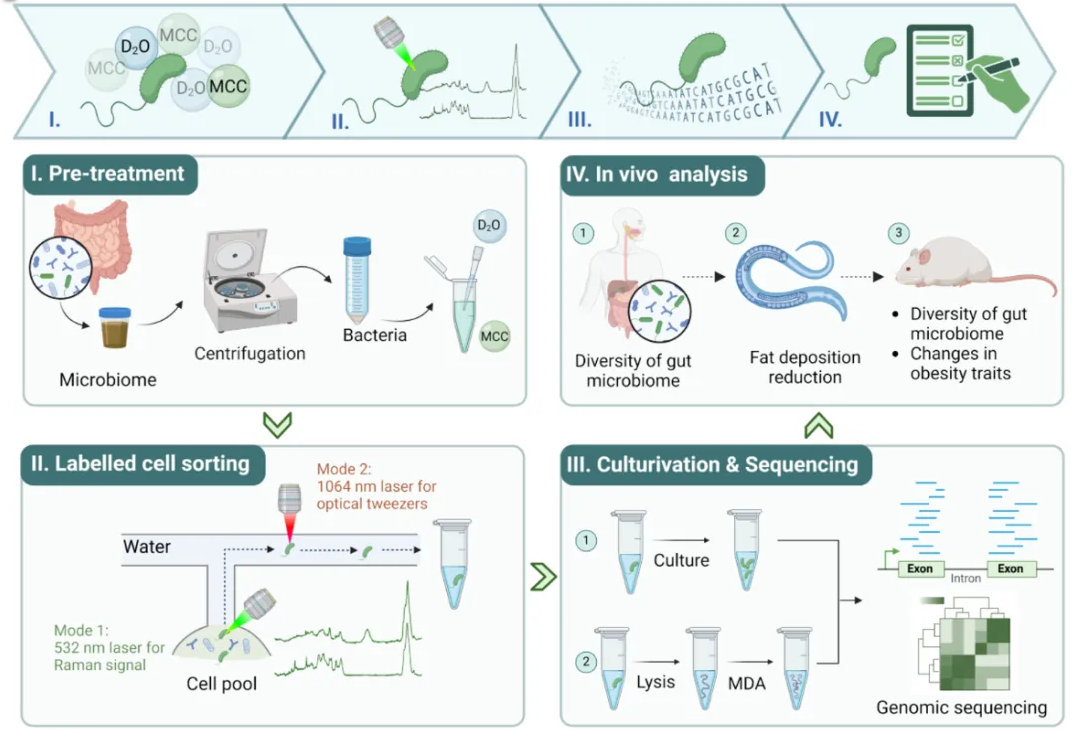
Case Study 1: Mining Cellulose-Metabolizing Strains from the Human Gut
eCyte Solution: Human gut microbiota samples were incubated with heavy water and cellulose. Only the cells actively metabolizing cellulose incorporated the label, leaving a distinct Raman signal. Using Single-Cell Biotechnology's RAMS system, these target single cells were sorted one by one for subsequent cultivation/expansion and single-cell sequencing, achieving a precise, direct link between functional phenotype and genomic data.
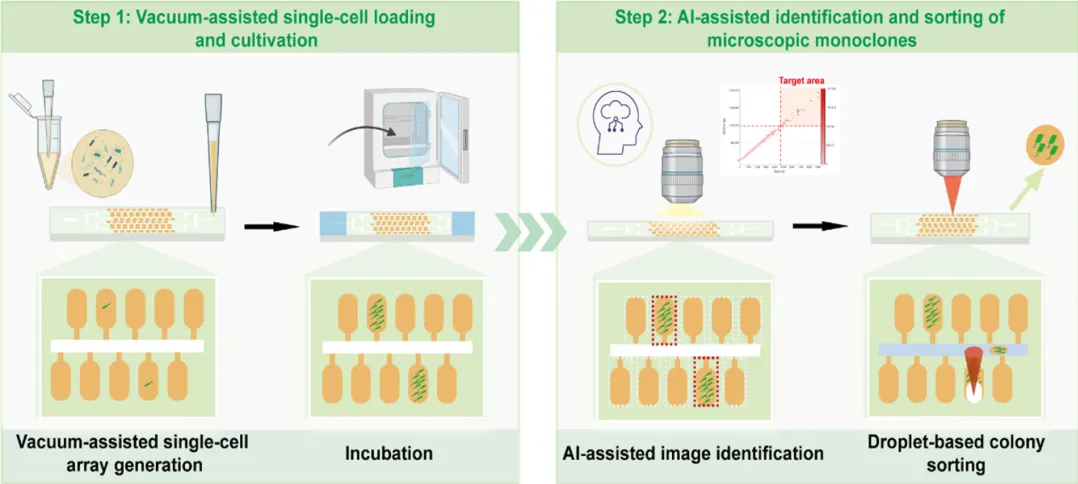
Case Study 2: High-Throughput Cultivation of Gut Microbes
eCyte Solution: Utilizing eCyte's DCP, single cells were first dispersed into over 16,000 independent micro-chambers via vacuum-assisted single-cell loading to undergo in situ monoclonal incubation. Next, AI algorithms automatically recognized the clonal phenotypes within each micro-chamber. Finally, target clones were picked individually using a non-contact laser system. This approach shortened the cultivation cycle by 75% and achieved an isolation throughput of 3,000 strains per day, drastically accelerating the expansion of existing culture collections.
Case Study 3: Rapid, Strain-Level Identification of Probiotics
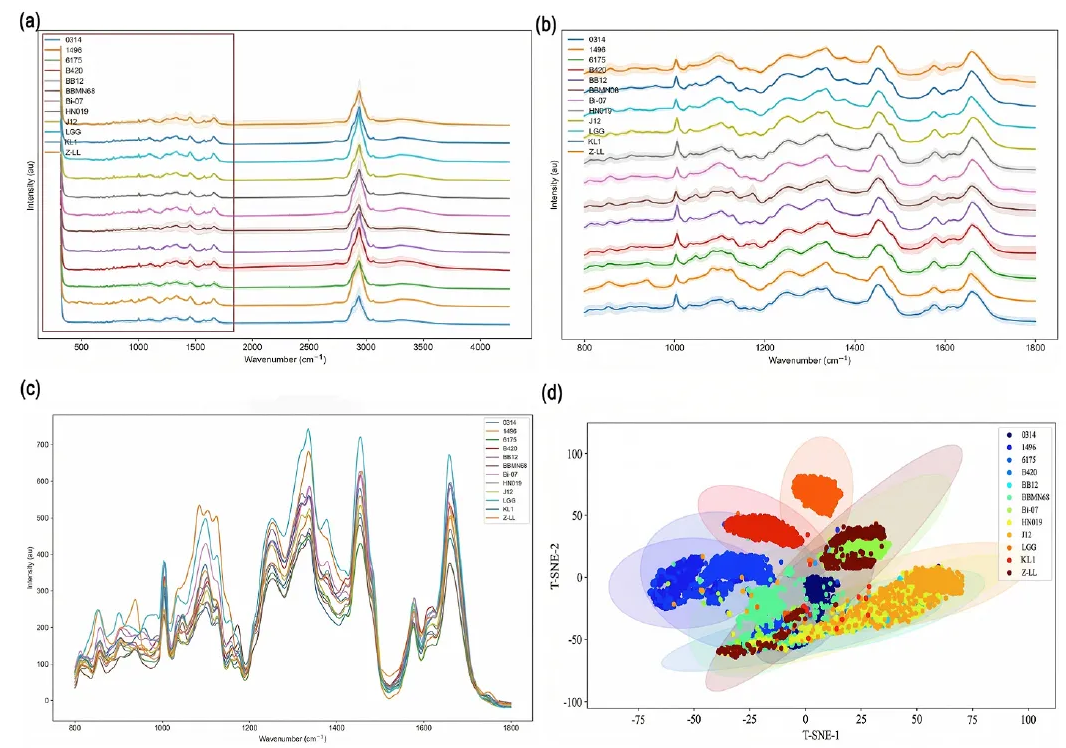
eCyte Solution: By deploying eCyte’s FlowRACS to collect single-cell Raman spectra, researchers captured specific "chemical fingerprints." Combined with AI algorithms, the system achieved an identification accuracy of over 99% for a specific target strain among five highly homologous strains of Bifidobacterium animalis subsp. lactis. This method enables direct qualitative and quantitative identification from lyophilized bacterial powders or mixed microbial samples. It can even trace specific strains directly from commercial yogurt, cutting the total detection turnaround time by more than 80% compared to traditional methods.
In Summary
If your research is currently limited by these bottlenecks, the solution may not be more sequencing data. Instead, it is the ability to understand what living cells are actively doing and to precisely retrieve those target strains from your samples. We invite you to connect with the eCyte team to discuss your current projects. Let's explore together how much time and resources our Meta-Ramanomics platform can save for your laboratory.